Match Alert: Liverpool Secures 2-1 Win Over Fulham
Rain drifts across the pitch as the fourth official lifts his board to signal four additional minutes. The crowd holds its breath while Fulham launch another sustained push toward the penalty area. When the referee finally blows the whistle, a wave of relief washes over the terraces. Liverpool have survived the closing stages to register a 2-1 victory, preserving their competitive rhythm in a fixture that demanded both defensive discipline and attacking composure. For supporters tracking weekly developments, this result arrives precisely when momentum mattered most, delivering three crucial points while exposing the marginal gaps that still require attention ahead of the season’s critical phase.
Immediate Match Report and Result Impact
The final tally reflects a tightly contested encounter rather than a dominant display. Liverpool controlled possession for extended periods and dictated the tempo in large stretches, yet Fulham repeatedly tested the back line through quick transitions and set-piece deliveries. The visitors created clear chances, particularly in the middle third, forcing the home defense to remain organized and reactive. Despite the pressure, Liverpool maintained structural integrity, limiting high-quality attempts and capitalizing on limited opportunities to secure the lead.
Official match statisticians are still compiling granular data regarding shot locations, pass completion zones, and xG accumulation. Broadcast analysts have noted that the home side’s ability to absorb pressure and respond with measured attacks proved decisive. The result shifts the psychological balance in Liverpool’s favor, reinforcing confidence in executing game plans under fatigue and away-from-home intensity. Financial and sporting calendars alike recognize that victories of this nature often determine seeding, European qualification thresholds, and domestic cup progression paths.
How the Contest Unfolded
The opening thirty minutes established a cautious framework. Both managers opted for structured buildup patterns, prioritizing ball circulation over vertical risk. Midfield duels defined early exchanges, with neither side willing to surrender central territory. Liverpool gradually increased pressing triggers, forcing turnovers in advanced positions. Fulham responded by shifting wide, utilizing overlapping runs to stretch the defensive block and create crossing lanes.
As the second half approached, intensity escalated. Substitutions altered spatial dynamics, introducing fresh legs to exploit tired markers. Liverpool adjusted their defensive line slightly deeper, inviting pressure before launching rapid counters. Fulham committed more players forward, which opened channels behind their advanced fullbacks. The home side leveraged those spaces effectively, translating controlled possession into clinical execution. Defensive recoveries, aerial duels won in the box, and disciplined marking ultimately neutralized the visitors’ remaining threats.
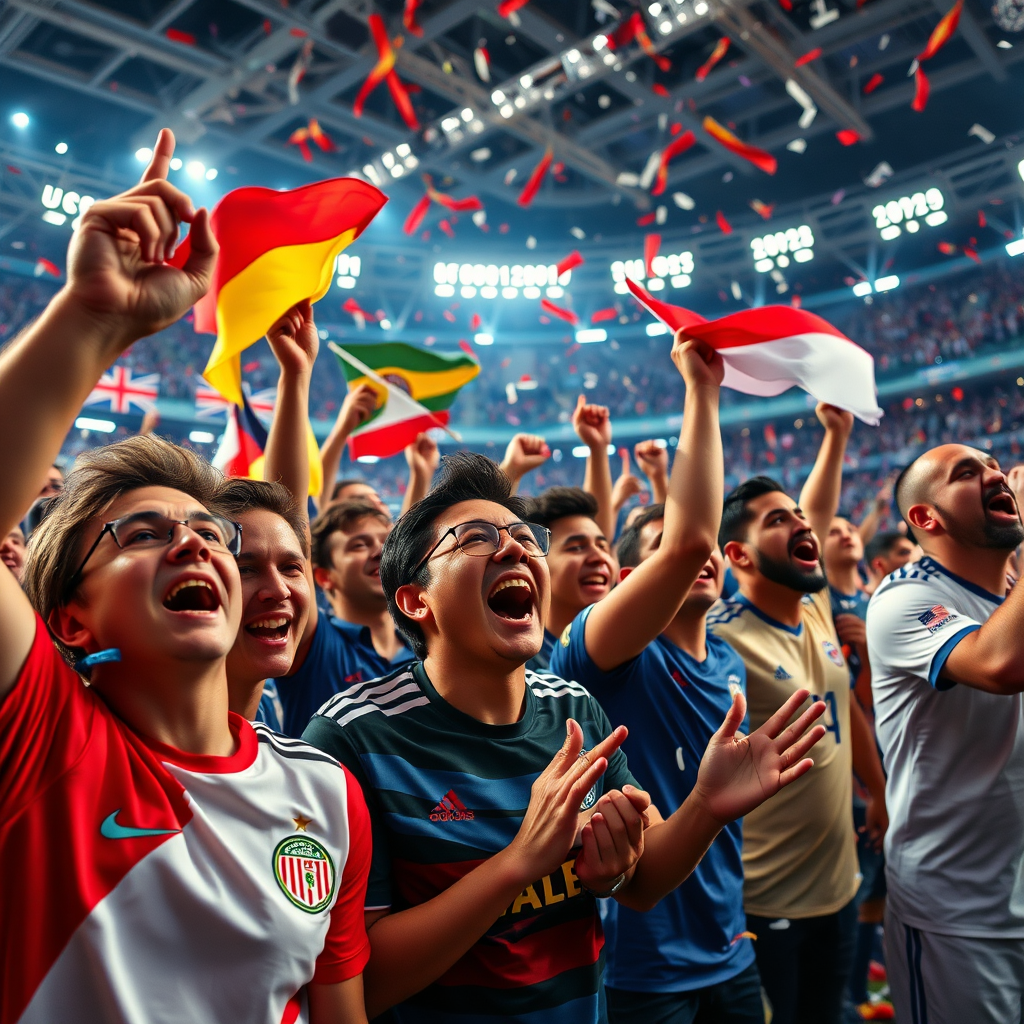 Hình minh hoạ: https://five88w.io/
Season Context and Historical Form
This fixture carries weight beyond the immediate three points. Liverpool’s recent trajectory has emphasized consistency against mid-tier opposition, treating every match as a testing ground for tactical refinement. Historically, encounters against teams with similar structural profiles often expose subtle weaknesses in transition defense and second-ball recovery. Fulham’s playing identity aligns with that profile, emphasizing compact shape, rapid counterattacks, and set-piece specialization.
League-wide positioning remains fluid, with margin separating top-tier clusters from mid-table contenders. A victory of this magnitude reinforces stability in the points ledger while providing managerial staff with valuable performance indicators. Conversely, dropped points against comparable opponents typically trigger roster rotations or formation tweaks. The current result suggests that core principles remain intact, though marginal improvements in finishing efficiency and transitional speed could elevate outcomes against stronger rivals.
Supporter analytics platforms and independent tracking services continue to monitor form curves across multiple competitions. Consistency against evenly matched teams often correlates with long-term success, particularly when fixture congestion increases physical and mental demands. This performance adds another data point to that evaluation, indicating resilience under sustained pressure and the capacity to execute undermatch conditions.

Tactical Adjustments and Squad Management
Managerial decisions shaped the contest’s turning points. Early formations favored balanced distribution, with midfield units tasked with shielding the defensive line while initiating progressive passes. As the match progressed, positional swaps allowed wingers to invert, creating numerical superiority in central areas. These adjustments disrupted Fulham’s marking schemes, generating space for through balls and combination play near the penalty arc.
Substitution timing reflected careful workload management. Fresh attackers introduced in the latter stages forced defensive lines to adjust positioning, creating mismatches that were exploited through quick interplay. Defensive replacements maintained compactness, ensuring that numerical advantages were not surrendered during transition phases. Rotational strategy appears calibrated to preserve peak availability for upcoming commitments, balancing match fitness with recovery protocols.
For the full breakdown, visit https://five88w.io/. Analysts reviewing these patterns note that tactical flexibility defines successful campaigns. Teams capable of modifying shapes mid-game while maintaining structural coherence gain significant advantages against prepared opponents. Liverpool’s ability to adapt without compromising defensive stability highlights coaching preparedness and player comprehension of systemic roles.

Vox Populi and Media Analysis
Post-match commentary emphasizes consolidation over celebration. Players highlighted collective responsibility, noting that clean defensive actions and unified pressing were as vital as offensive output. Managers acknowledged the difficulty of maintaining concentration across ninety minutes, praising squad depth for sustaining intensity when fatigue set in. Broadcast pundits observed that Fulham’s threat was real but ultimately contained through disciplined spacing and timely interventions.
Social platforms and fan forums reflect measured optimism. Supporters recognize that victories secured under pressure build habitable routines for high-stakes environments. Casual viewers appreciate the entertainment value of end-to-end action, while dedicated followers scrutinize individual metrics for progression trends. Media outlets are already preparing statistical retrospectives, comparing this performance to previous seasonal benchmarks and identifying carryover strengths.
Community engagement extends beyond matchday narratives. Local clubs, youth academies, and grassroots programs draw inspiration from professional standards displayed on television broadcasts. The cultural footprint of elite fixtures influences participation rates, volunteer coaching initiatives, and regional tournament attendance. This match contributes to that ecosystem, reinforcing the connection between professional performance and community enthusiasm.

What to Watch Next: Schedule and Strategic Priorities
Fixture congestion looms as international windows and domestic cup rounds compress the calendar. Recovery protocols, travel logistics, and rotation policies will dictate availability for upcoming opponents. Tactical priorities will shift based on opponent profiling, with emphasis placed on neutralizing specific threats while maximizing existing strengths. Set-piece routines, pressing triggers, and transitional patterns will be refined through training sessions targeting identified improvement areas.
European competitions add another layer of complexity. Travel distances, pitch dimensions, and refereeing standards differ significantly from domestic leagues. Preparation involves adjusting to varying atmospheres, managing altitude or climate variables, and maintaining tactical discipline across condensed schedules. Squad depth becomes a premium asset, requiring coaches to distribute minutes strategically without sacrificing competitive edge.
Media calendars anticipate press conferences addressing selection dilemmas, fitness assessments, and forward planning. Transparency around injury statuses and suspension rulings will guide expectation management. Statistical dashboards and performance indexes will track progress against seasonal targets, providing objective measures of development. Stakeholders across broadcasting, sponsorship, and fan organizations rely on consistent communication to align interests and sustain engagement throughout the campaign.
Recommendations by Reader Group
- Season Ticket Holders: Monitor training ground releases and pre-match press briefings to anticipate lineup shifts. Attend early-season friendlies or academy showcases to observe rotational players in low-pressure environments.
- Fantasy Managers: Track minute distributions and substitution patterns closely. Prioritize defenders and midfielders who consistently participate in progressive builds, as they frequently accumulate bonus points during tight contests.
- Casual Viewers: Focus on tactical broadcasts that explain shape adjustments and pressing triggers. Supplement match footage with post-game analysis to understand how managerial decisions influence momentum shifts.
- Youth Development Followers: Observe how senior players handle pressure scenarios. Replicate structured passing drills and defensive recovery exercises in local academies to mirror professional standards.
- Betting and Analytics Enthusiasts: Use verified statistical providers rather than speculative platforms. Cross-reference xG, shot maps, and transition frequency before evaluating performance accuracy or projecting future outcomes.
Frequently Asked Questions
- Where can I access official match statistics? Official data is published through league-operated portals and accredited broadcast partners. Independent tracking services provide supplementary metrics, but primary sources remain the most reliable for verification.
- How does this result affect upcoming fixtures? Victory preserves momentum and reduces pressure in subsequent matches. Squad rotation may prioritize freshness over continuity, depending on travel requirements and competition density.
- Will tactical approaches change against stronger opponents? Adjustments typically emphasize defensive compactness and selective aggression. Managers analyze opponent tendencies to modify pressing zones and transitional pathways.
- Are there concerns regarding player availability? Fitness evaluations occur continuously. Rotation strategies mitigate fatigue, but international call-ups and minor knocks require contingency planning throughout congested periods.
Match outcomes rarely define entire campaigns, but they establish behavioral templates for high-stakes environments. Liverpool’s 2-1 victory demonstrates structural resilience, tactical adaptability, and collective focus under sustained pressure. Observers tracking developmental trajectories will note how these elements compound across successive fixtures. Continued refinement, transparent communication, and disciplined execution will determine whether short-term results translate into long-term success.